

It is easy to lose track of time when the cards keep turning and the balance ticks down. For Australian adults playing recreationally, the trick is not to stop having fun but to keep the rhythm under control. A few small habits, a bit of platform awareness, and a clear budget can make the difference between a steady session and a rushed one.
Why speed becomes the problem
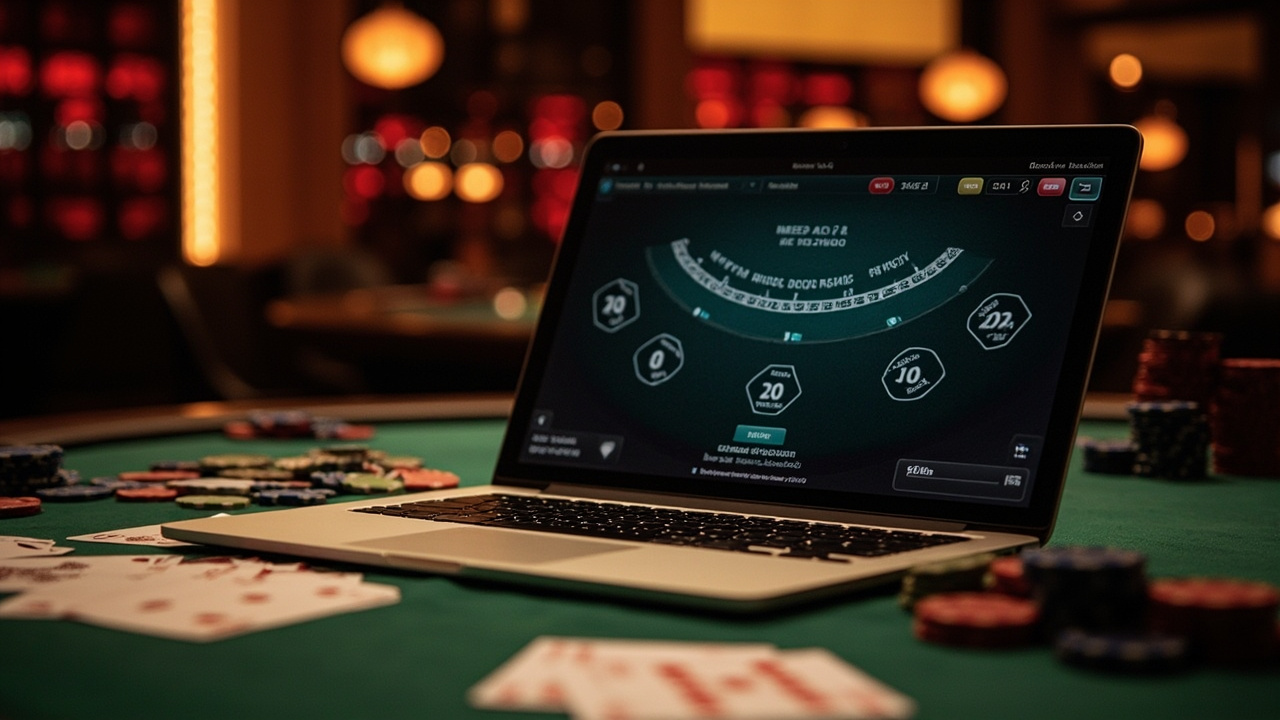
The fastest way to drift into trouble is to treat every round as independent, when in reality momentum builds quietly. Stake and KICK both run high-frequency tables where the action moves quickly, and I have seen engineering teams tune those environments for engagement first and pacing second. When I connect search requirements with large-platform architecture, the pattern is familiar: a layout that rewards fast clicks will always pull a player toward the next bet before the last one settles. That is why I treat pacing controls as a product requirement, not an afterthought. A platform that surfaces recent loss totals, round counts, and time elapsed gives people a chance to notice the drift. Without that, even a sensible player can end a Saturday arvo wondering where the session went.
What actually slows things down
Built-in tools and where they help
Most reputable rooms offer session timers, bet limits, and reality checks, but the useful ones make the information visible without burying it behind menus. I have reviewed layouts where the pacing data sits on the same screen as the game, which is the only place it earns attention. On the dice side, the stickman restocks the dice and offers new pairs to the shooter, and that small ritual matters more than people expect because it creates a natural pause between runs. When a table gives you a moment to reset, you are less likely to chase the previous result. Players who want a calmer pace should look for tables that keep the action readable and the controls close at hand, rather than ones that hide every setting behind a second click.
How providers and promos shape the tempo
The game mix changes the speed just as much as the interface. Providers that favour quick rounds can feel rewarding for a while, then exhausting once the session stretches past an hour. I spoke with Isla Hughes, Marketing Director, Coastal Wager Research, who pointed out that recurring promos and loyalty tiers often keep people returning for the wrong reason, because the next reward feels close even when the bankroll is thinning. A cashback feature or a tournament leaderboard can be useful if it is honest about the terms, but it should not nudge you to keep clicking just to qualify. Cameron Murphy, Gaming Technology Consultant, Top End Gaming Advisory, noted that platforms designed with pacing in mind tend to separate the game loop from the promotional loop, so a player can take a break without feeling they are missing out. That separation is the kind of judgement call I make when reviewing architecture: the product should support a slower rhythm, not fight it.
Matching the pace to the player
Not every player wants the same tempo, and the right fit depends on what you are actually after. Someone chasing a tournament or a loyalty drop will tolerate faster tables for a short window, then step back. Someone playing for a quiet Tuesday night in Hobart would do better with a slower table, a fixed limit, and a clear stop point before the session starts. I asked Amelia Taylor, Product Analytics Lead, Southern Cross Gaming Advisory, how players can tell when they are moving too quickly, and she said the clearest signal is when the next bet feels automatic rather than chosen. If you catch yourself clicking before you have decided, that is the moment to pause, check the timer, and reset. The same logic applies to mobile play: a compact screen can make everything feel closer together, so a player who prefers a measured pace should test the layout on the phone before settling in.
If you are weighing whether a platform respects your time as well as your money, the practical test is simple: can you see your limits, can you pause without losing your place, and do the promos feel optional rather than urgent. A site that lets you play wanted dead or a wild without rushing you through the next hand is usually the one that fits a calmer session. The goal is not to remove the fun, just to keep the pace in your hands.

This mindset shifts the focus from chasing bonuses to finding a space where the gameplay itself feels sustainable over time. You can explore how that balance works in practice at https://wanteddeadorawildau.com/ when you play wanted dead or a wild. It is often the clearest indicator of whether a platform truly values your experience.
Verdict: Treat pacing like a setting, not a suggestion. Pick tables that give you visible limits, use the pauses the game already offers, and let recurring promos stay optional. That way the session stays yours instead of the other way around.
- Reality check: a platform prompt that reminds you how long you have been playing.
- Stickman: the dealer figure that manages dice and offers new pairs to the shooter.
- Cashback: a return of a portion of losses, usually on set terms rather than as a guaranteed payout.