


Push fold poker bubble moments test nerves more than bankroll, and that tension is exactly what hooks players. In Australia, the iGaming market moves fast, but the approach to high-pressure situations often differs from what we see overseas. While operators in the UK or Europe lean heavily on broad acquisition funnels, the local focus here tends to centre on retention and responsible engagement during critical game phases. That distinction matters when you are sitting at a table, watching the blinds climb and the stack sizes shrink. The push fold poker bubble is not just a strategy concept; it is a psychological checkpoint where many casual players freeze. Understanding how the interface supports decision-making at that moment can separate a measured session from a messy tilt.
While poker tests nerve, modern digital slots offer a different kind of rush where quick decisions matter just as much. Many operators now feature engaging mechanics like sweet bonanza 2500 with cluster pay engines to keep the excitement high without the need for a physical table. You can explore these high-pressure fun options at https://sweetbonanza2500au.com/enau.
The visual layout needs to stay clear when the pressure mounts. A cluttered dashboard during a bubble situation is a recipe for misreading pot odds or stack depths. Good design keeps the essential numbers prominent without drowning the screen in animations that serve no purpose. Navigation should let a player move between tables or lobby views without losing track of the current blind levels. Language and currency localisation also play a part here, because confusion over denominations can slow down decisions that need to be made in seconds. When the interface feels intuitive, the player can focus on the hand rather than hunting for information. That practical usability is what keeps a session flowing, even when the stakes feel heavier than a Melbourne tram at peak hour.
- Check the stack sizes relative to the blinds before the action folds to you.
- Identify the number of players left in the tournament to gauge bubble risk.
- Review the payout structure to see what sits just outside the money.
- Decide whether to shove or fold based on your position and remaining opponents.
- Execute the move cleanly without second-guessing the screen layout.
The mechanics behind the scenes matter just as much as the screen in front of you. Some platforms integrate familiar bonus structures that can shift how players approach marginal spots, though the underlying maths rarely changes. For instance, blackjack side bets like 21+3 or Perfect Pairs usually carry a high house edge, and that principle applies across the board when extra wagers are offered during tense moments. The push fold poker bubble demands discipline, and bonus mechanics that encourage reckless aggression can undermine that. On the payment side, local players expect straightforward options without hidden friction. Registration should be quick, mobile performance needs to hold up on a phone screen during an arvo session, and support should be reachable when something goes sideways. Loyalty programs can add value, but they should not distract from the core gameplay loop when the bubble is tight.
There is a telling contrast between how this pressure is handled overseas and how it lands here. In the US, tournaments often run with massive fields and aggressive marketing that pushes players toward high-variance spots. In Europe, the focus can drift toward complex loyalty tiers and cross-market promotions. Down Under, the culture is a bit more grounded, with players who reckon a steady approach beats chasing every marginal hand. That local mindset influences how operators design their campaigns and structure their player journeys. When the push fold poker bubble arrives, the difference between a platform that understands local habits and one that simply copies a global template becomes obvious. A Canberra player logging in after work wants clarity, not a maze of pop-ups. The best setups respect that expectation and keep the experience focused on the game itself.
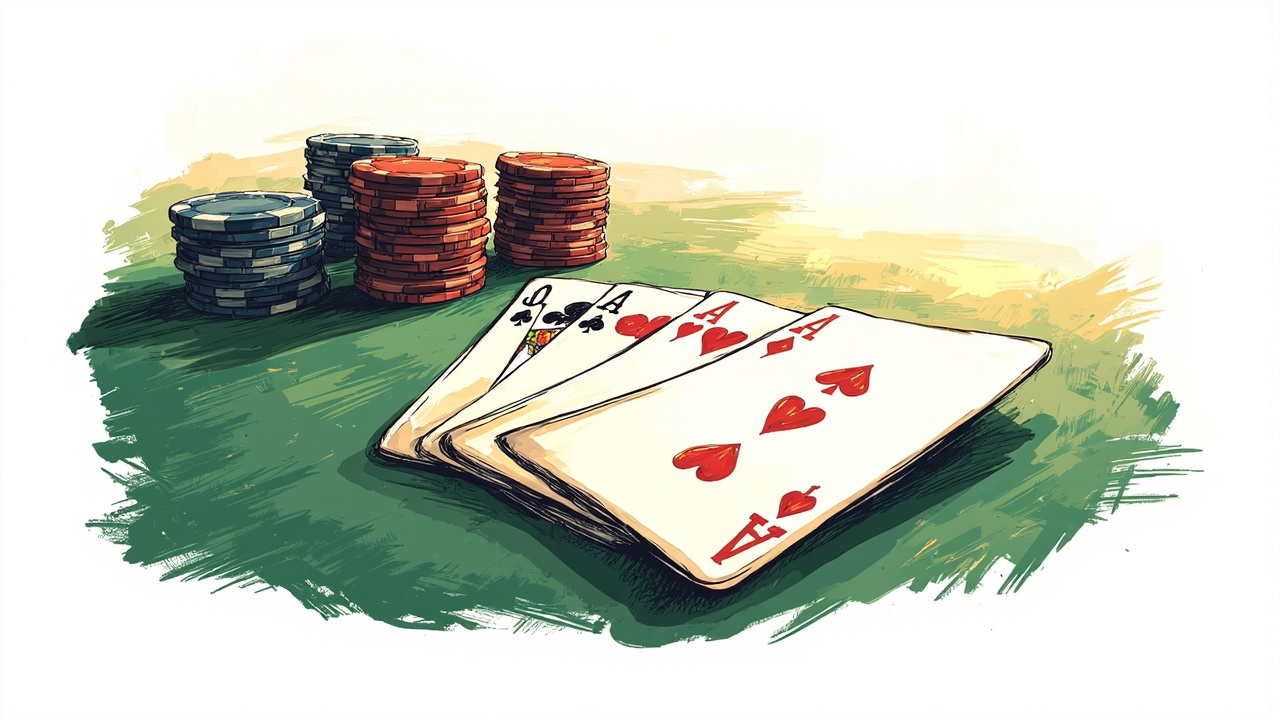
Surviving the bubble comes down to reading the table, trusting your stack management, and using an interface that does not get in the way. Push fold poker bubble situations will always test patience, but a clean setup and a clear head make the difference between a solid result and a costly rash move.