

Bingo strategy australia is less about chasing a guaranteed pattern and more about understanding how a room actually pays out, how cards are priced, and what verification asks are coming before you ever press buy. As a designer who has modelled paytables for two decades, I treat bingo the same way I treat a skill-game prototype: the house edge is the sum of card price, prize distribution, and the number of active tickets, not a secret you can outthink. If you are looking at a royal reels new site during a quiet arvo, the first win matters less than knowing whether the room’s prize pool actually rewards the ticket count you are holding.
Reading the room before you buy a ticket

A solid bingo strategy australia starts with the same discipline I apply when balancing a patented skill slot: map the prize curve before you commit cash. In a typical Australian room, you are not picking a machine; you are buying a share of a fixed or progressive pool, so the real question is whether the number of active cards and the ticket price leave enough room for a meaningful top prize. I have seen rooms where a cheap ticket looks friendly until you realise the prize ladder is heavily weighted toward early patterns that most players fill at the same pace, which compresses the effective return. The practical move is to compare the card price against the stated prize breakdown, then watch a single session to see how quickly the caller moves and how many players are chasing the same line. If you are sitting in Perth on a summer evening and the room is quiet, a smaller card count can actually sharpen your odds on a straight line, but that same quiet room can also mean the prize pool is thin. The trade-off is simple: lower entry cost usually means lower variance, while a pricier ticket only makes sense if the prize distribution rewards the patterns you can actually complete at that pace.
Signup, verification, and the first deposit
The first session is where most players lose money they never intended to risk, because they skip the boring setup and then stumble over a verification hold. A clean bingo strategy australia treats registration like a game spec: confirm eligibility, read the verification steps, and understand what documents are asked for before you fund the account. I have modelled enough onboarding flows to know that a room asking for identity and address details up front is not being difficult; it is reducing the chance of a frozen payout later. When you make the first deposit, check the currency, the minimum, and whether any bonus is tied to a specific room or a minimum card spend, because a bonus that only activates on a high-volume ticket can quietly change your expected cost per game. If you are browsing on a mobile during a lunch break, the signup should feel straightforward, but the real test is whether the first play lets you buy a small card, watch the caller, and see the prize tick without forcing you to burn through a bonus requirement in one sitting. The condition here is that bonus activation is not free money; it is a priced mechanic that only helps if the room’s pacing matches how you actually want to play.
Card counts, pacing, and the everyday example
There is a practical example that shows how this affects an ordinary Australian reader. Imagine you are a regular who usually spends a quiet Sunday arvo on a horse racing form, placing a small ante-post bet on a runner you like. That ante-post bet can be lost entirely if the horse doesn’t run, which is a clean reminder that some wagers are conditional on an event actually happening. Bingo is different because the draw always happens, but the same mindset applies: you are better off buying a ticket count you can afford to hold for the full session rather than chasing a pattern with a card count that forces you to overcommit when the room gets busy. I have seen players treat a fast-paced room like a slot and keep raising their ticket count to “keep up,” which is exactly the kind of behaviour that turns a reasonable game into a noisy one. A steadier approach is to pick a room where the caller speed and card price let you buy a consistent number of tickets, then stay there long enough to see how the prize distribution actually behaves. That is the kind of pacing decision that matters more than any folklore about lucky numbers.
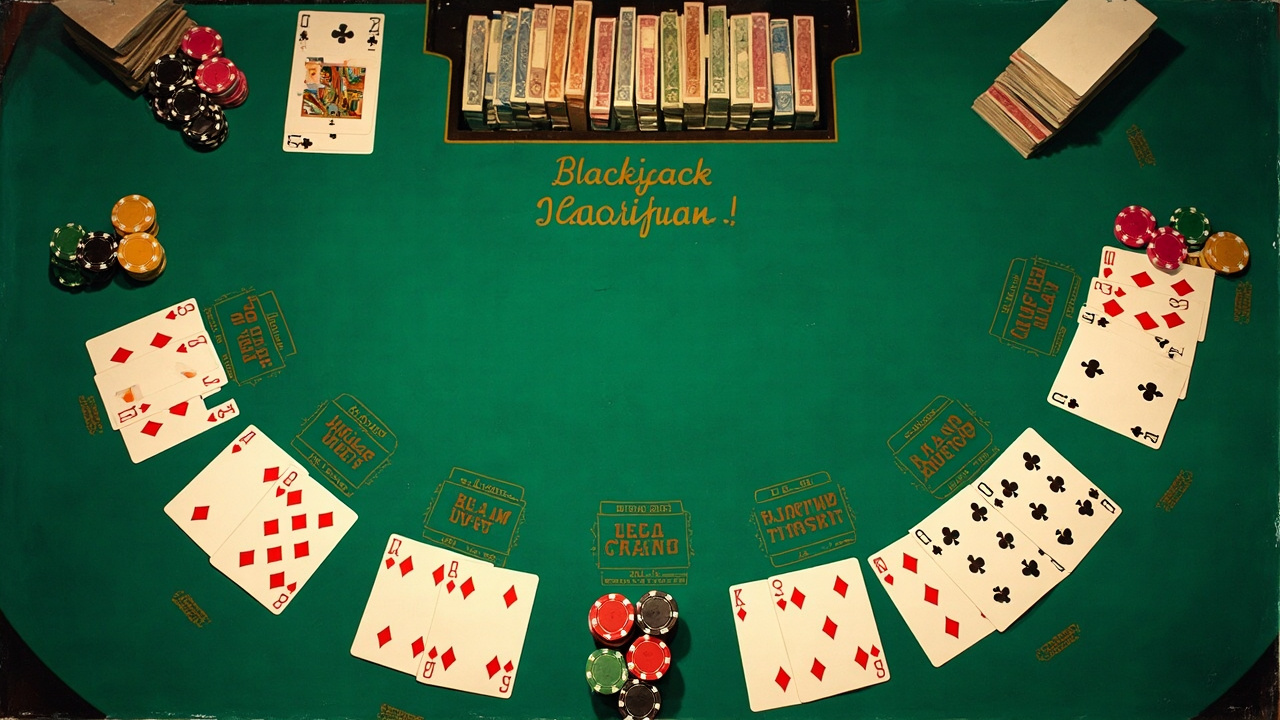
Rooms, limits, and a grounded view
A realistic bingo strategy australia also has to respect the limits built into the room itself, because no amount of card management changes a prize pool that is already set. I have worked on games where the designer’s job is to make the return curve transparent, and the same principle applies here: if the room publishes a prize breakdown, use it; if it does not, assume the distribution is less favourable than the headline top prize suggests. Blake Roberts, Risk and Integrity Manager, Boomerang Gaming Insights, has put it plainly in my conversations about room integrity: “The players who last are the ones who treat the prize ladder as the real product, not the flashy top-line number.” That is a useful caveat, because a big top prize can sit on top of a distribution that pays small and often to very few tickets, which changes the risk profile entirely. If you are comparing rooms from Perth to the east coast, the local detail that matters is not the branding on the lobby but the card price, the active ticket count, and whether the room’s support can actually answer a verification question without making you wait through a long queue. The trade-off is that a room with a larger pool often carries more competition, so the expected value per ticket can be lower even when the headline prize looks generous. royal reels new site